Habitat
Seagrass collapse
Seagrass filters water and shelters marine life. Algae blooms shade the beds and weaken the food web.
Project: Save Our Lagoon
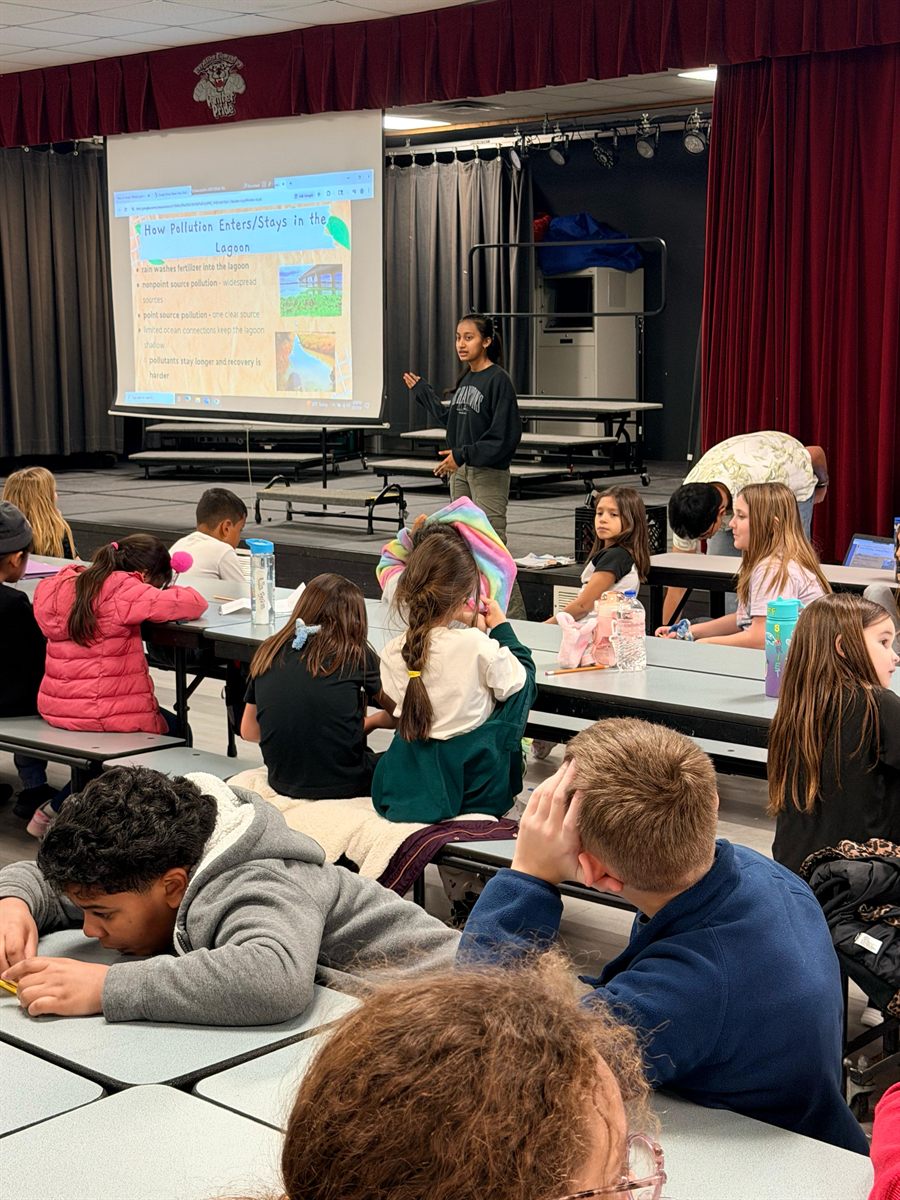
We presented at two elementary schools, ran nitrogen tests and runoff demos, built posters and newsletters, and reached more than 200 students. The project placed 3rd internationally at Future Problem Solving.
Who we are
Project: Save Our Lagoon is led by West Shore Jr./Sr. High School students for the Community Problem Solving competition in Future Problem Solving. Our early classroom work was also supported through Labs 4 Learning.
The project won 3rd place at the Future Problem Solving International Conference in Community Problem Solving.
We chose the Indian River Lagoon because it is part of daily life in Brevard County — fishing, boating, and school science lessons all connect back to the water.
The problem
The Indian River Lagoon is one of North America's most biodiverse estuaries. Nutrient pollution from fertilizers and stormwater runoff fuels algae blooms that block sunlight, deplete oxygen, and collapse seagrass meadows essential to marine life.
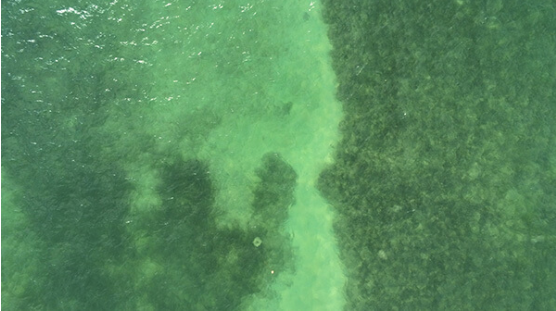
Seagrass filters water and shelters marine life. Algae blooms shade the beds and weaken the food web.
Fertilizer runoff carries nitrogen and phosphorus into the lagoon and feeds harmful blooms.
The lagoon's narrow shape slows water exchange, which lets pollution linger and build.
Growing up in Brevard County, we have personally witnessed the decline of the Indian River Lagoon.Project: Save Our Lagoon
Activities like fishing, boating, and kayaking became less enjoyable as water quality worsened. That is why we started classroom lessons, household outreach, and student-made awareness materials.
Education
The team introduced the Indian River Lagoon, explained nutrient pollution, and gave students concrete steps they could take at home. Students at both schools improved their understanding afterward.
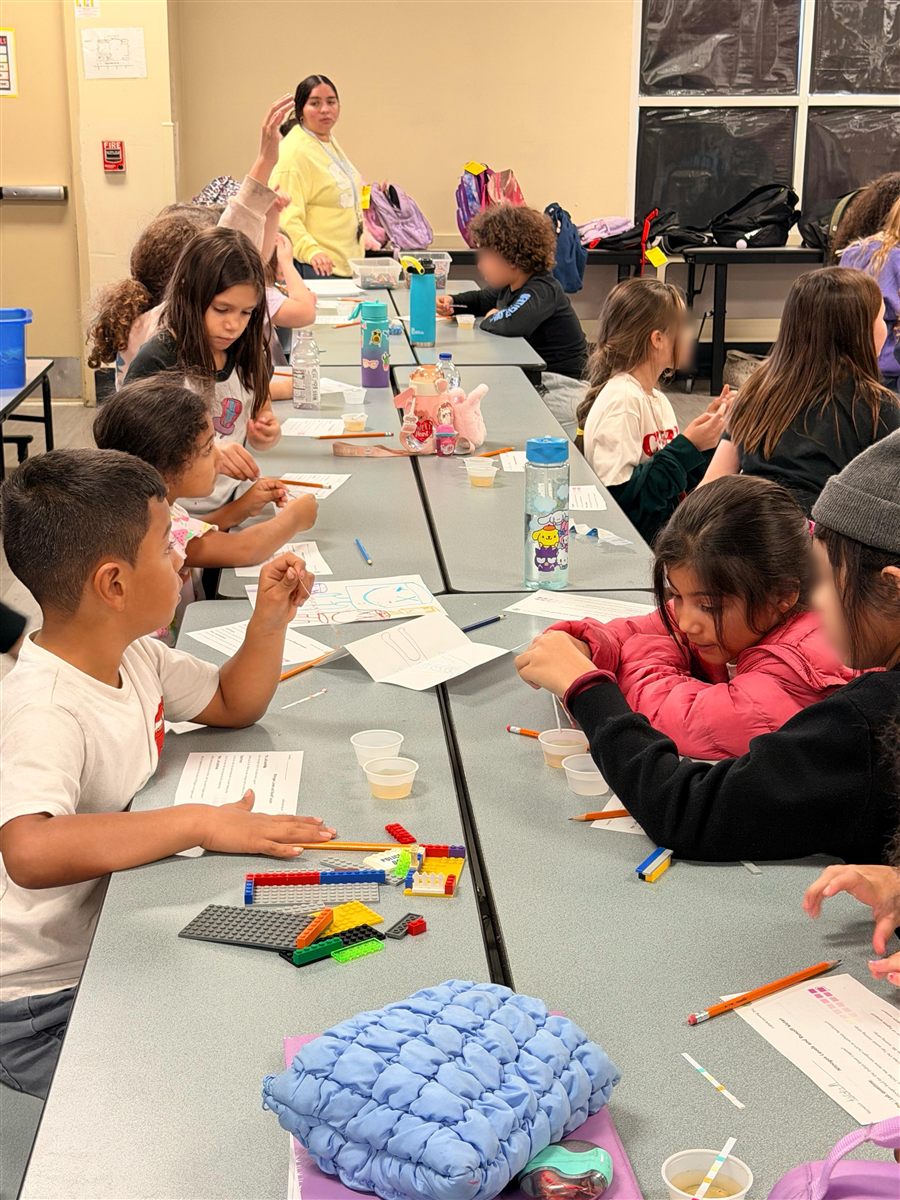
Students measured nitrogen in normal water and fertilizer-mixed water using test strips.
Students made posters using what they learned, reinforcing the lesson visually.
The team modeled how rain moves nutrients from soil into nearby water bodies.
Newsletters summarized findings for classroom use and family conversations.
Materials
Lesson slides, demo instructions, quizzes, posters, and newsletters. Email us for copies.
Intro to the Indian River Lagoon, nutrient pollution, and steps students can take at home.
ScienceHow we measured nitrogen in water samples and modeled fertilizer runoff.
AssessmentQuestions we used to check whether students understood the lesson.
OutreachStudent-made awareness materials shared in classrooms and online.
Students improved from pre-quiz to post-quiz after the presentations.
Elementary classrooms in Brevard County took part in the early project work.
Project: Save Our Lagoon won 3rd place at the Future Problem Solving International Conference in Community Problem Solving.
How to help
Small household habits matter because stormwater connects yards, roads, and drains to the lagoon.
Use slow-release or fertilizer-free lawn care and avoid applying before rain.
Sweep clippings off driveways and sidewalks so debris stays out of storm drains.
Share lagoon facts and talk with neighbors about simple protective changes.
Connect
Teachers, students, and community members can ask about classroom visits, project materials, or how to bring similar work to another school.
Student leadership supporting chapter growth.
Eshan Vipuil, Shriya Varada, Raaha Sellamuthu, Sidharth Patsamatla, and Joseph Konathapally.
Program support for hands-on science and community problem solving.