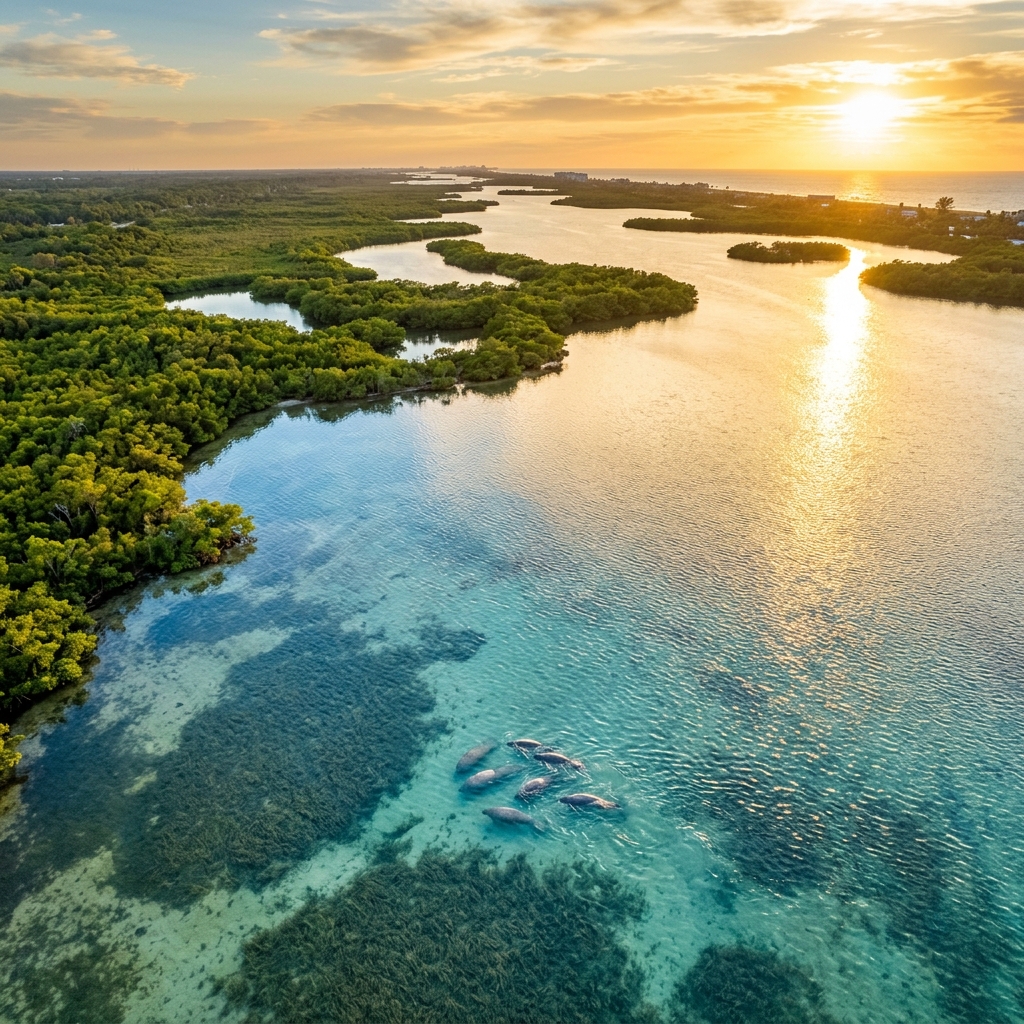
Indian River Lagoon shoreline at dusk

Project: BLACKOUT

A law to protect manatees already exists.

Brevard County restricts nitrogen and phosphorus fertilizer from June 1 through September 30. Project: BLACKOUT helps residents see the rule, understand it, and follow it.

The solution begins before fertilizer reaches the water.

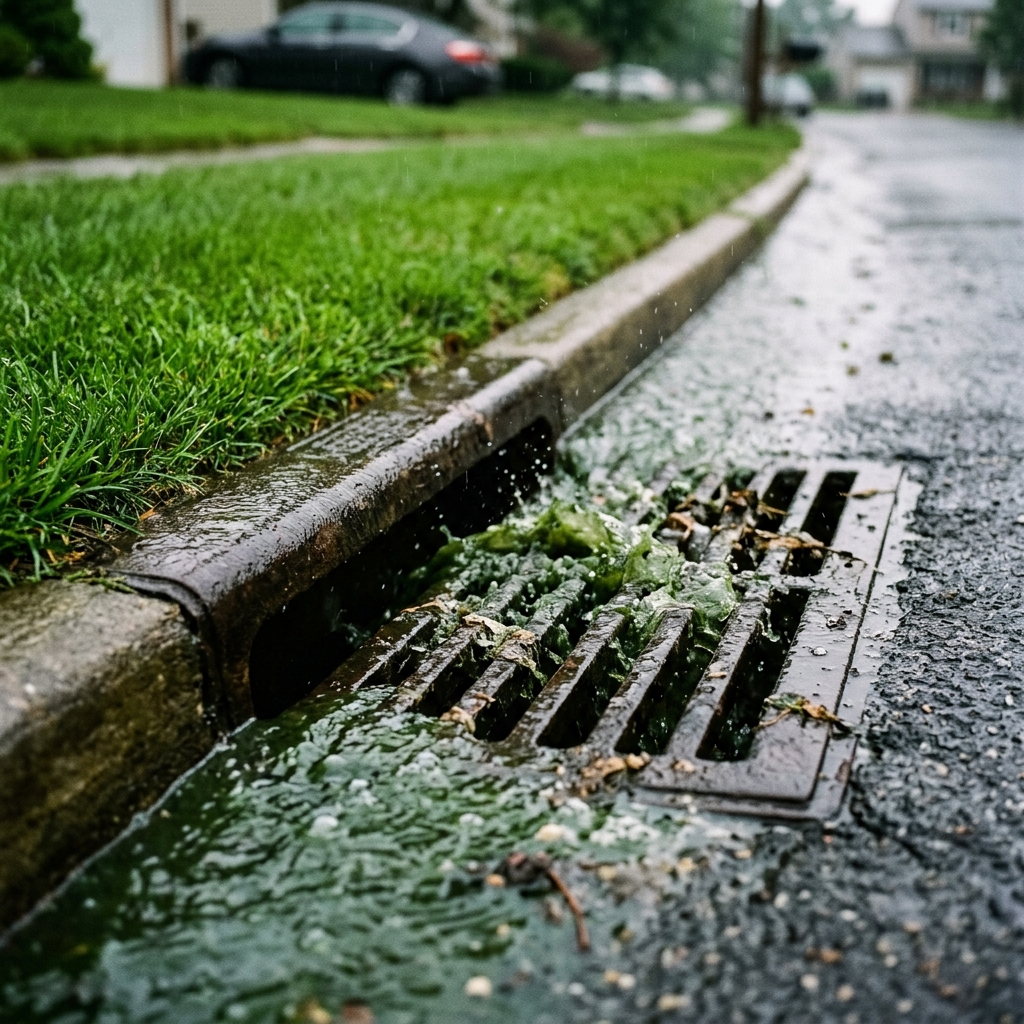
Fertilizer applied during the rainy season can move through streets, driveways, and storm drains into the lagoon. Extra nitrogen and phosphorus fuel algal blooms, block sunlight, and weaken seagrass beds.

Seagrass is a primary food source for manatees. In 2021, more than 1,100 manatees died in Florida during a severe mortality event tied to habitat and food loss.

1,101Manatee deaths in 2021
58%Seagrass lost in the lagoon
4,300+Species supported by the estuary
Jun 1Blackout period begins
Sep 30Blackout period ends

No nitrogen or phosphorus fertilizer from June 1 to September 30.

Brevard County's summer fertilizer ordinance is already on the books. Project: BLACKOUT turns the rule into a visible public habit through clear reminders and partner outreach.
How Project: BLACKOUT works
Section

Chapter 62, Article IX

The ordinance appears in Brevard County's code for fertilizer management.

Blackout period

June 1 through September 30

The date range covers the rainy summer window when runoff moves quickly.

Prohibited

Nitrogen and phosphorus fertilizer

The rule applies to lawns, landscapes, and turf during the blackout period.

Goal

Voluntary compliance

Public visibility helps residents make the compliant choice before they buy or apply fertilizer.

Put the rule where decisions happen.

Project: BLACKOUT uses a practical sequence: measure awareness, place reminders, build partnerships, then measure again. The work is designed for a future student team or county partner to continue.

Survey

Wave 1 baseline

The first survey documents how many residents know about the ordinance before outreach begins.

Retail

Fertilizer shelf tags

Tags bring the June 1 to September 30 rule into the aisle where people choose lawn products.

Stormwater

Drain markers

Storm drain reminders connect neighborhood runoff to lagoon health at the curb.

Public outreach

Simple language

Flyers, social posts, and partner notes explain the rule without technical overload.

Survey

Wave 2 follow-up

The second survey checks whether outreach increased recognition and intent to comply.

Handoff

Reusable materials

The team collects templates, partner notes, and evidence so the project can keep running.

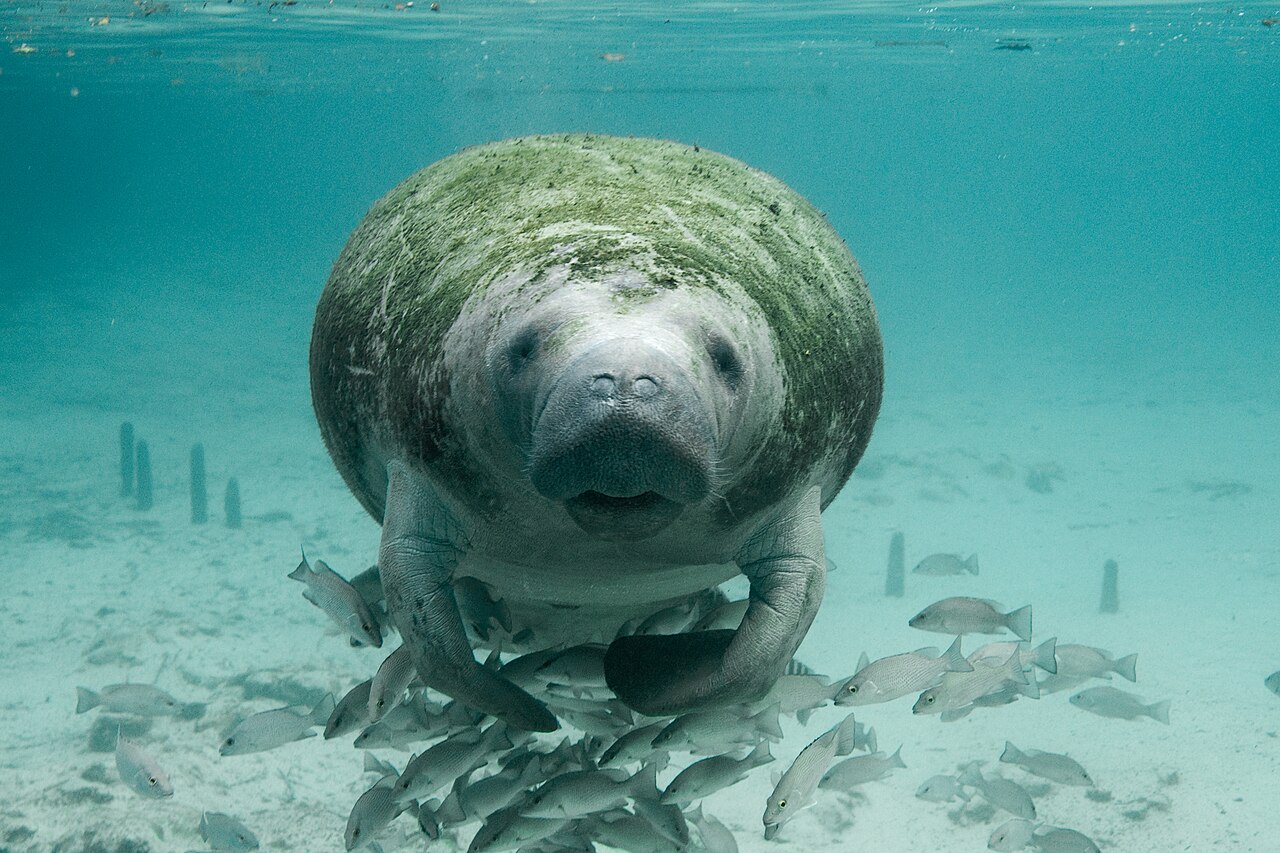
Manatee underwater

Seagrass loss becomes a manatee survival issue.

The fertilizer ordinance reduces one preventable pressure on the lagoon. When fewer nutrients reach the water during the rainy season, blooms have less fuel and seagrass has a better chance to recover.

Compare with Project: Save Our Lagoon

Awareness that can be measured.

Project: BLACKOUT tracks awareness before and after outreach, then pairs the results with retail participation, drain marker placement, and public materials delivered.

Baseline

What residents know

Wave 1 captures recognition of the ordinance and the blackout dates.

Reach

Where reminders land

Retail tags and drain markers put the message near buying and runoff moments.

Follow-up

What changes

Wave 2 compares recognition and intent after the campaign is visible.

Student-led civic conservation.

Project: BLACKOUT is a Brevard County student initiative built for practical compliance outreach, transparent evidence, and continuity after the first team graduates.

Contact us

Lead work

Research and outreach

Survey design, public messaging, partner communication, and project documentation.

Partners

Retail and county alignment

Hardware and garden retailers can host shelf tags near fertilizer displays.

Future handoff

Templates and evidence

Materials are organized so a later team can continue the work without rebuilding from scratch.